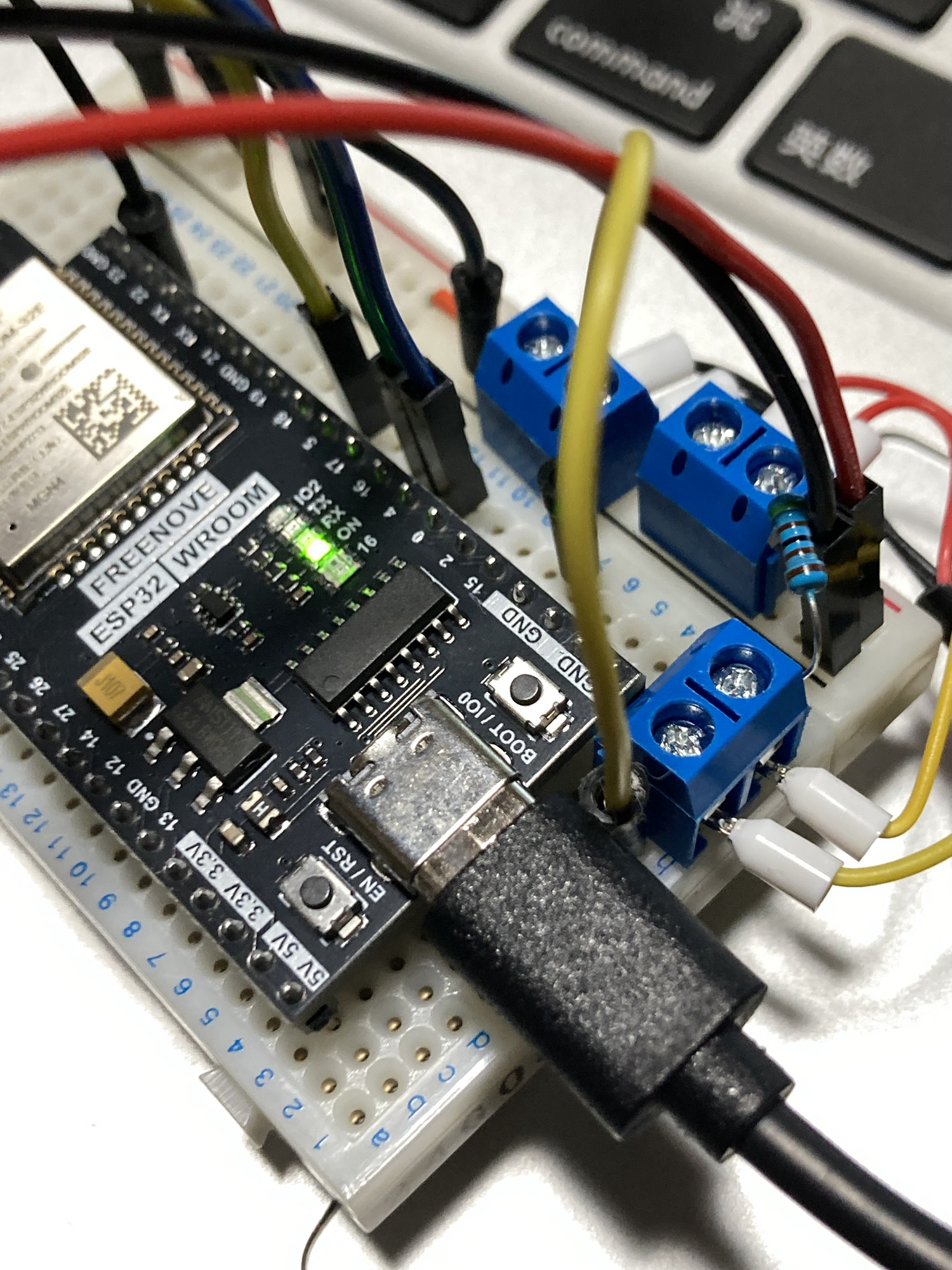
ESP32 Farm Temperature Logger: A 4-Month Field Test with LoRa and Google Sheets
I built a simple temperature logging system for small-scale farming using ESP32 boards, temperature sensors, LoRa communication, and Google Sheets.
The system recorded temperature data every 5 minutes and ran for about 6 months.
This is not a perfect professional IoT system.
It is a field-tested experiment by a small grower who wanted to understand temperature changes more clearly and reduce manual checking.
What I Wanted to Do
In small-scale farming, temperature changes are very important.
Air temperature, soil temperature, greenhouse temperature, and nighttime temperature can affect seedling growth, watering decisions, and plant stress.
At first, I checked the temperature manually. But checking every day by hand was not efficient.
So I wanted to make a simple system that could:
- measure temperature automatically
- send the data wirelessly
- record the data in Google Sheets
- run for a long period
- be cheap enough for small farming experiments
That was the starting point of this project.
My Setup
For this test, I used:
- 3 ESP32 boards
- 5 temperature sensors
- LoRa communication
- Google Sheets
- 5-minute recording intervals
The system was used for about 4 months.
The purpose was not to build a perfect commercial product.
The purpose was to see whether a simple DIY IoT system could actually be useful in a real farming environment.
Why I Used ESP32
ESP32 is a low-cost microcontroller with Wi-Fi support.
It is often used for DIY IoT projects, and there are many examples online.
For farming experiments, ESP32 is attractive because it is:
- inexpensive
- small
- easy to program
- flexible
- suitable for sensor projects
For my use, it was good enough to start testing temperature logging.
Why I Used LoRa
Wi-Fi is useful, but it does not always reach the place where sensors are installed.
In farming, the sensor may be far from the house, router, or power source.
That is why I tested LoRa communication.
LoRa is useful for sending small amounts of data over longer distances.
Temperature data is very small, so it is a good match for LoRa.
In this project, LoRa was used to send temperature data from the sensor side to the receiving side.
Why I Used Google Sheets
I used Google Sheets because it is easy to check the data later.
Once the temperature data is recorded in a spreadsheet, I can:
- check the history
- compare different sensors
- make graphs
- look at daily temperature changes
- export the data if needed
For a small farming experiment, Google Sheets is simple and practical.
I did not want to start with a complicated database system.
I wanted something that I could actually continue using.
Recording Every 5 Minutes
The system recorded temperature data every 5 minutes.
This interval was short enough to see changes during the day and night.
For example, I could see:
- how quickly the temperature rose in the morning
- how hot it became during the day
- how fast it dropped at night
- differences between sensor locations
For farming, these changes are more useful than a single daily temperature number.
What Worked Well
After testing the system for about 6 months, I found that automatic temperature logging was very useful.
The biggest benefit was that I could see temperature changes without checking manually every time.
It also helped me understand that temperature can change more than expected depending on the location.
Even in a small area, the temperature can be different depending on shade, wind, height, and distance from the ground.
This kind of data is difficult to understand without continuous recording.
Problems I Had
The system was not perfect.
I had some problems during the test.
For example:
- wiring was not always clean
- outdoor installation needed better protection
- power supply was important
- communication stability had to be checked
- sensor placement affected the data
These are normal problems in a field test.
A system that works on a desk does not always work well outdoors.
Rain, sunlight, insects, humidity, distance, and power supply all matter in farming use.
What I Learned
The biggest lesson was that a simple IoT system can be useful for small-scale farming, even if it is not perfect.
I also learned that sensor placement is very important.
If the sensor is placed in direct sunlight, the temperature may become much higher than the actual air temperature.
If the sensor is too close to the ground, it may show a different value from the temperature around the plants.
So the data is not only about the sensor.
It is also about where and how the sensor is placed.
Is This Useful for Small-Scale Farming?
Yes, I think it can be useful.
Especially for:
- seedling management
- greenhouse monitoring
- frost risk checking
- summer heat monitoring
- irrigation planning
- comparing different locations
For small growers, the system does not need to be perfect at first.
Even simple temperature records can help us understand the field better.
Next Improvements
There are several things I want to improve next.
For example:
- better waterproof cases
- more stable power supply
- easier sensor installation
- better graphs in Google Sheets
- soil temperature logging
- humidity logging
- automatic alerts
In the future, I also want to combine this with weather data and other sensors.
Conclusion
I tested an ESP32-based farm temperature logging system for about 4 months.
The system used ESP32 boards, temperature sensors, LoRa communication, and Google Sheets.
It recorded data every 5 minutes.
This was not a perfect professional system, but it was useful as a real field experiment.
For small-scale farming, simple IoT tools can help us see what is happening in the field more clearly.
This project is still ongoing, and I will continue improving it step by step.
Japanese version:
ESP32で温度をGoogleスプレッドシートに自動記録する方法


